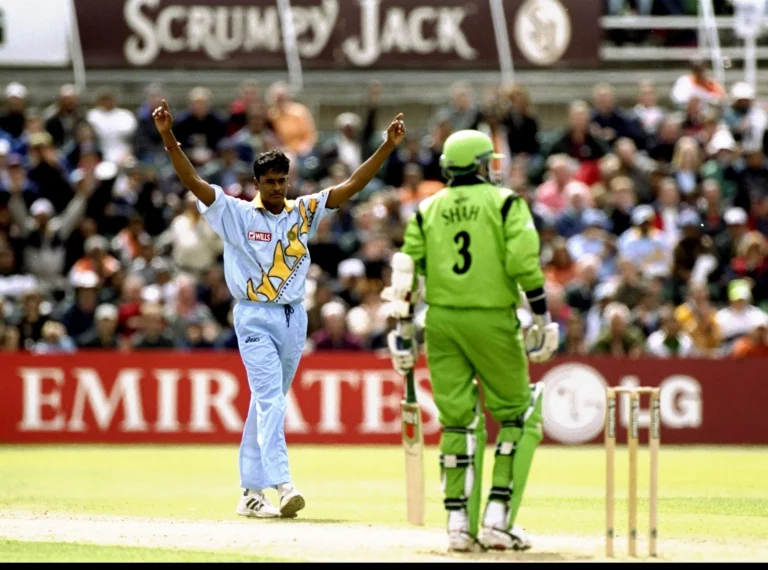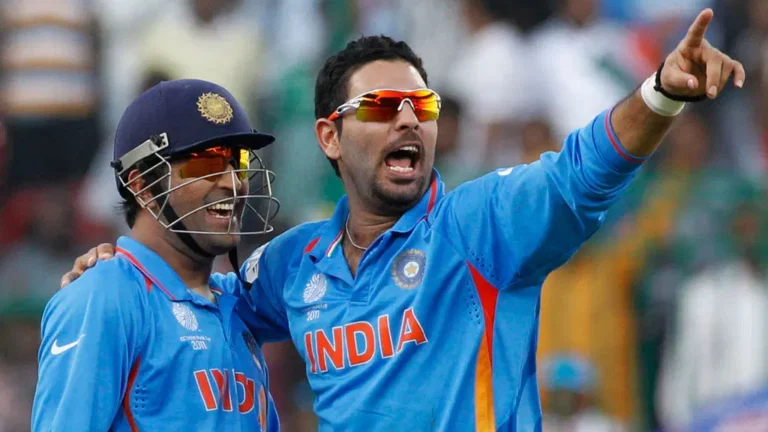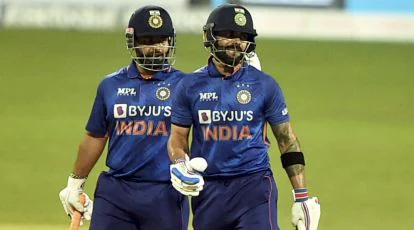
Cricket is a game of highs and lows, and nowhere is this more evident than in pressure situations. Whether chasing a steep target in a T20, batting in the final overs of an ODI, or saving a Test match, the best batters demonstrate a blend of skill, strategy, and mental strength. This “blend” allows them to perform under intense stress while guiding their teams toward success.
In this blog, we explore how batters blend technique, aggression, and mental toughness during high-pressure moments, with examples from cricketing legends.
1. Understanding Pressure in Cricket
Pressure in cricket arises from several scenarios:
- Chasing a large total in limited overs.
- Batting with few wickets in hand.
- Facing world-class bowlers on challenging pitches.
- Playing in high-stakes tournaments like the World Cup or IPL finals.
In such moments, a batter’s ability to blend calmness with aggression, technique with improvisation becomes critical. Those who fail often succumb to rash shots or poor judgment, while successful players convert pressure into performance.
2. Key Elements of Batters’ Blend Under Pressure
a) Technical Discipline
A solid foundation allows batters to play according to the situation. Good footwork, timing, and shot selection reduce the risk of unnecessary dismissals. Even aggressive players like Virender Sehwag or AB de Villiers rely on technique when under pressure.
b) Calculated Aggression
Pressure doesn’t mean always attacking. Aggression must be selective: choosing the right deliveries to hit, rotating strike, and punishing loose balls. Modern players like Virat Kohli exemplify this blend, knowing when to accelerate and when to consolidate.
c) Mental Toughness
A calm mind is crucial. Handling crowd noise, expectation, and opposition tactics requires focus, resilience, and adaptability. Players like MS Dhoni have mastered this aspect, guiding India through countless high-pressure chases.
d) Communication & Partnership Awareness
In partnerships, pressure is shared. Understanding a partner’s strengths and weaknesses allows batters to rotate strike efficiently, support each other mentally, and build innings even under stress.
3. Famous Examples of Pressure Blends
a) VVS Laxman – Test Match Rescues
VVS Laxman’s epic innings against Australia in 2001 is a classic example. Under immense pressure, Laxman blended patience, technical finesse, and selective aggression, crafting a record-breaking 281-run innings to save India from defeat.
b) AB de Villiers – ODI and T20 Chases
AB de Villiers’ ability to innovate under pressure is legendary. Chasing impossible totals, ABD blends improvisation, power, and precision, often finishing games with audacious yet calculated shots.
c) Virat Kohli – Modern-Day Chase Master
Known as the “Chase Master,” Kohli’s success comes from combining aggression with careful shot selection. His focus on fitness, running between wickets, and mental composure allows him to thrive under pressure in ODIs and T20s.
4. Strategies for Blending Effectively Under Pressure
a) Assess the Situation
- Analyze the target, overs remaining, wickets in hand, and opposition bowling.
- Decide whether to anchor the innings, accelerate, or balance both.
b) Play to Your Strengths
- Stick to preferred shots, zones, and deliveries you can handle under stress.
- Avoid risky improvisations unless necessary.
c) Build Partnerships
- Support your partner, communicate clearly, and rotate strike.
- Use partnerships to relieve personal pressure and stabilize innings.
d) Mental Rehearsal
- Visualization techniques help anticipate scenarios and responses.
- Calm breathing and focus routines maintain composure during crunch moments.
5. Importance of Fitness & Endurance
Pressure situations often require long periods of concentration. Fitness ensures that a batter can maintain mental sharpness, footwork, and shot execution, even in demanding conditions. Players like Joe Root and Kane Williamson combine physical fitness with technique to excel in high-pressure Tests.
6. Lessons for Aspiring Cricketers
- Technique First: Even under pressure, fundamentals should guide decision-making.
- Selective Aggression: Pick the right balls to attack and rotate strike intelligently.
- Partnership Focus: Shared responsibility reduces individual stress.
- Mental Toughness: Practice composure, visualization, and positive self-talk.
- Adaptability: Read the game, adjust plans, and stay flexible under changing conditions.
By mastering these elements, young players can perform consistently under pressure, creating match-winning innings that combine skill and strategy.
Conclusion: The True Blend in Cricket
Pressure situations separate good players from legends. The ability to blend technique, aggression, mental focus, and strategic thinking defines modern cricket’s elite batters. From Tendulkar and Laxman to Kohli and AB de Villiers, these icons have shown that success under pressure is not just talent—it’s a balanced approach.
For aspiring cricketers, the lesson is clear: mastering the art of blending skills under pressure is the key to longevity and impact in international cricket. Whether in Tests, ODIs, or T20s, this balance is what transforms a player from a competent batter into a true game-changer.
About the Author