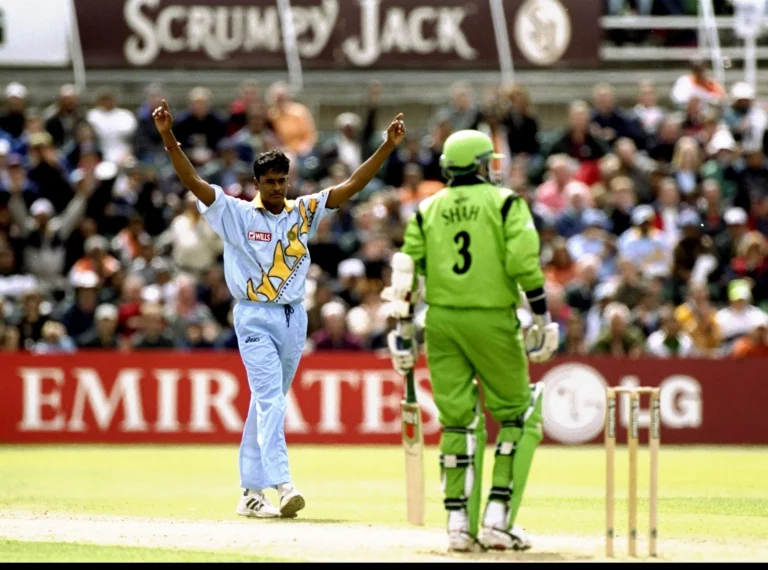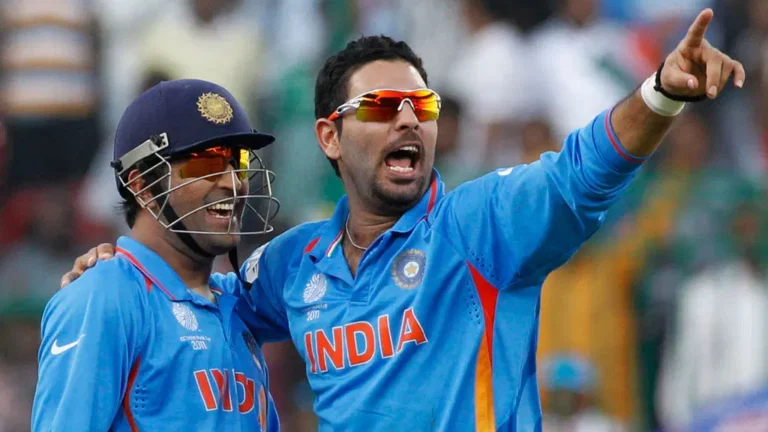
The T20 format has revolutionized cricket, combining fast-paced action, explosive shots, and high-pressure scenarios. Unlike longer formats, T20 cricket demands a perfect blend of power and technique, where players must balance aggression with skillful execution. In a game where every ball counts, mastering both aspects is the key to success.
In this blog, we explore how T20 cricketers achieve the ideal balance of power and technique, the strategies involved, and examples of players who have mastered this art.
1. Why T20 Cricket Demands Both Power and Technique
T20 cricket is short, intense, and unforgiving. Every over, every delivery, and every shot can influence the outcome. To excel:
- Power helps in clearing boundaries, quick scoring, and putting bowlers under pressure.
- Technique ensures consistency, shot selection, and minimizing risk against quality bowling.
A purely power-based approach often leads to risky dismissals, while a technique-only strategy can result in slow scoring rates, making it essential to blend the two.
2. The Elements of Power in T20 Cricket
a) Explosive Batting
Power hitters like Chris Gayle, Andre Russell, and Kieron Pollard showcase how raw strength combined with timing can dominate bowlers. Big sixes not only accumulate runs rapidly but also shift momentum in a team’s favor.
b) Quick Running Between Wickets
Power is not limited to hitting boundaries. Fitness and acceleration are crucial for taking singles, converting ones into twos, and maintaining pressure on fielders.
c) Bowling Power
Fast bowlers rely on pace, bounce, and intimidating deliveries to unsettle batsmen. Bowlers like Jofra Archer and Jasprit Bumrah use speed combined with variations to maintain control in T20 games.
3. The Role of Technique in T20s
a) Shot Selection
Even aggressive batsmen need precise technique. Choosing the right delivery to attack and defending risky balls is critical. Players like Virat Kohli and Babar Azam excel because of their sound technique, enabling them to rotate strike and build partnerships effectively.
b) Footwork & Timing
Proper footwork ensures balance and accuracy, especially when facing pace, spin, and variations. Without technique, even the most powerful hits can result in mistimed shots and early dismissals.
c) Tactical Bowling
Spinners like Rashid Khan and Sunil Narine rely on technique, flight, and subtle variations, to counter big hitters. Technique allows bowlers to maintain consistency under pressure, making them match-winners in T20 cricket.
4. Perfect Blend: How Power and Technique Work Together
a) Aggression with Control
Successful T20 players combine power and technique by hitting big shots only when the ball is favorable, minimizing risk. This strategy allows teams to maximize scoring without collapsing.
b) Adaptability
Adaptability is crucial. A batsman must switch from a power-driven attack to defensive play depending on the bowler, pitch, and match situation. Similarly, bowlers adapt their line, length, and pace to counter aggressive batsmen while maintaining technical discipline.
c) Partnership Building
Even in T20s, partnerships matter. Players who balance power-hitting with clever strike rotation help their teams build consistent innings and chase targets effectively.
5. Iconic Examples of Power & Technique in T20 Cricket
- Chris Gayle: Known as the “Universe Boss,” Gayle combines sheer power with smart shot selection, dominating bowlers in the IPL and international T20s.
- Virat Kohli: Kohli demonstrates perfect technique under pressure, pacing innings while hitting boundaries when necessary.
- Andre Russell: Explosive hitting combined with intelligent running and shot placement makes him one of the most dangerous T20 players.
- Jasprit Bumrah: His pace and yorkers are paired with disciplined technique, making him a match-winner in tight situations.
- Babar Azam: Elegant strokes and flawless technique allow him to anchor innings while maintaining a healthy strike rate.
These players illustrate that success in T20 cricket comes from blending aggression with skill, rather than relying solely on one aspect.
6. Tips for Young Cricketers to Achieve the Blend
- Practice Controlled Power: Focus on timing and placement, not just strength.
- Master Footwork: Proper foot movement ensures balance and optimal shot execution.
- Develop a Range of Shots: Learn to hit straight, cross-batted, and innovative strokes like ramps and scoops.
- Understand Game Situations: Know when to accelerate or consolidate.
- Work on Fitness: Power and speed between wickets require strength and endurance.
By following these tips, young players can adapt their natural aggression with solid technique, achieving success in T20 cricket.
Conclusion: The Future of T20 Cricket Depends on Balance
T20 cricket has shown that power alone is not enough, and technique without aggression cannot dominate. The best players blend both, combining timing, strength, precision, and adaptability.
As cricket continues to evolve, the next generation of T20 stars will rely on this balance, mastering the art of hitting boundaries without taking unnecessary risks, and bowling with pace while maintaining technical discipline.
In T20 cricket, the blend of power and technique is the ultimate recipe for consistency, match-winning performances, and cricketing greatness.
About the Author